
What Is Website Conversion Optimisation? A Beginner's Guide to Turning More Visitors into Customers


Driving more traffic to your website isn't always the answer to growing your business.Many companies invest heavily in SEO, paid advertising and social media only to find that enquiries and sales remain disappointingly low.
The problem often isn't the number of visitors.
It's what happens after they arrive.
Website Conversion Optimisation, often shortened to CRO (Conversion Rate Optimisation), is the process of improving your website so that more visitors take meaningful action.
Rather than spending more money attracting new visitors, CRO helps you get better results from the traffic you already have.
What is a website conversion?
A conversion is any action that moves a visitor closer to becoming a customer.
Depending on your business, this could include:
Purchasing a product
Requesting a quote
Booking a consultation
Completing a contact form
Downloading a guide
Signing up to a newsletter
Calling your business
Every website should have a clear goal.
Without one, it's impossible to measure success.

Why conversion optimisation matters
Imagine two businesses each receive 2,000 website visitors every month.
Business A converts 1% of visitors.
Business B converts 4%.
Business B generates four times as many enquiries without spending another penny on advertising.
That's the power of conversion optimisation.
Small improvements can create significant long term growth.
Signs your website needs optimisation
You may benefit from conversion optimisation if:
Visitors leave quickly.
You're receiving traffic but few enquiries.
Customers abandon their shopping basket.
Contact forms are rarely completed.
Visitors view only one page before leaving.
Advertising costs continue to rise while enquiries remain flat.
These are all signs that your website may be creating unnecessary barriers.

The key elements of a high converting website
Clear messaging
Visitors should immediately understand:
Who you are.
What you do.
Who you help.
Why they should choose you.
Confusing messaging is one of the biggest causes of high bounce rates.
Strong calls to action
Every page should tell visitors exactly what to do next.
Examples include:
Book a consultation.
Request a quote.
Download our guide.
Contact our team.
Avoid making visitors guess.
Fast loading pages
Slow websites frustrate users and reduce conversions.
Optimising images, improving hosting and reducing unnecessary scripts all contribute to a better experience.
Trust signals
People buy from businesses they trust.
Include:
Testimonials
Reviews
Case studies
Client logos
Industry accreditations
Awards
Press coverage
These reassure visitors that they're making the right decision.
Mobile friendly design
Most website visitors now browse on mobile devices.
Your website should be easy to navigate, quick to load and simple to use on every screen size.
Common conversion mistakes
Many businesses unknowingly reduce conversions by:
Using vague headlines.
Offering too many choices.
Hiding contact details.
Writing long, complicated forms.
Ignoring mobile users.
Failing to answer customer questions.
Using poor quality images.
Overloading pages with text.
Removing friction is often more effective than adding new features.
How to improve your conversion rate
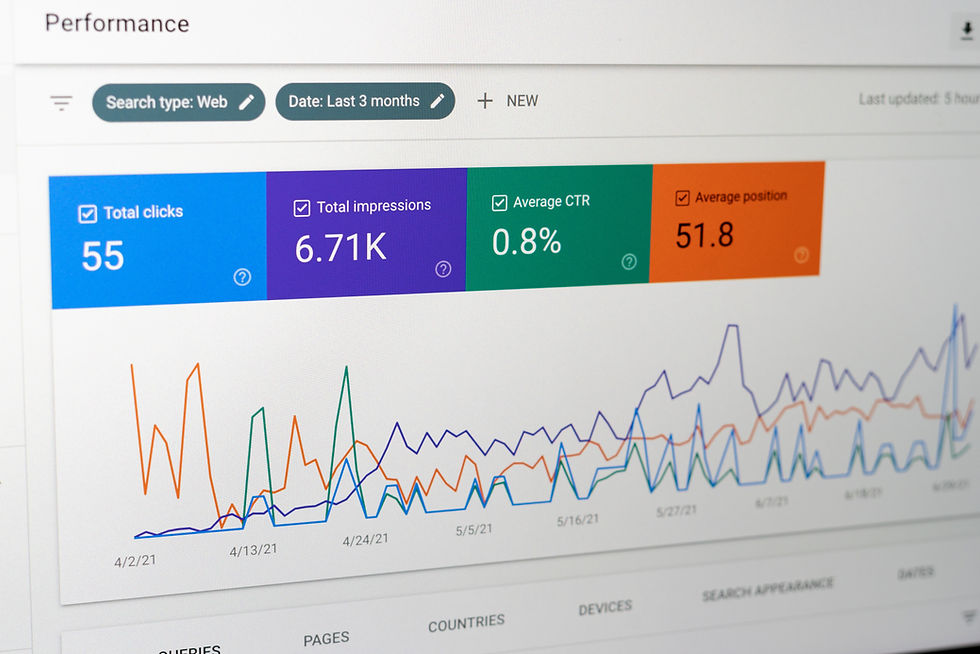
Start by understanding how visitors currently use your website.
Tools such as Google Analytics and heat mapping software can reveal:
Where visitors click.
How far they scroll.
Which pages they leave.
Which forms they abandon.
Use this information to make evidence based improvements rather than relying on assumptions.
Test before making major changes
Conversion optimisation is an ongoing process.
Small experiments often produce the biggest gains.
For example:
Testing different headlines.
Changing button wording.
Reordering page sections.
Simplifying forms.
Adding customer testimonials.
Improving product descriptions.
Measure the impact before making further changes.
Conversion optimisation works with every marketing channel
Whether visitors arrive from Google, Facebook, LinkedIn, email marketing or referrals, your website should give them confidence to take the next step.
Improving conversions increases the return on every marketing activity.

How Marketing Mill Studio can help
At Marketing Mill Studio, we help businesses identify why their websites aren't converting visitors into customers.
Through website audits, user journey analysis, messaging improvements and conversion optimisation, we create websites that don't just attract traffic but generate measurable business growth.
Frequently Asked Questions
What is a good website conversion rate?
Conversion rates vary by industry, but improving your own performance over time is more important than chasing industry averages.
Is conversion optimisation better than SEO?
They work together. SEO brings visitors to your website, while conversion optimisation helps turn those visitors into customers.
How long does conversion optimisation take?
Some improvements can increase enquiries almost immediately, while larger optimisation projects may take several months of testing and refinement.
Do I need to redesign my website?
Not necessarily. Many businesses achieve significant improvements through relatively small changes to messaging, navigation, page layout and calls to action.
Can small businesses benefit from conversion optimisation?
Absolutely. Conversion optimisation often provides one of the highest returns on investment because it improves the performance of the traffic you're already attracting.


Comments